
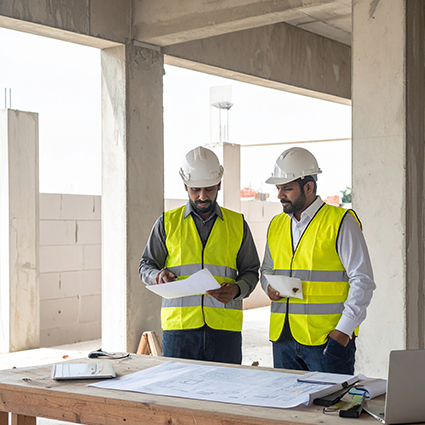
Pre-Project Planning: Why Better Decisions Start Before Construction
The period before construction begins may sometimes appear to be time that can be shortened. In reality, many of the decisions made during this stage directly influence what happens later on site.
Pre-project planning is not a single fixed procedure that applies identically to every project. The required level of study depends on the project's type, scope, condition, and technical requirements.
It may involve reviewing requirements and drawings, inspecting the site, measuring quantities, understanding execution conditions, reviewing technical requirements, or arranging specialized studies when needed.
The main objective is simple: reduce uncertainty before execution begins.
Define the Scope Clearly
One common source of disagreement during construction is a different understanding of what the contract actually includes.
The required items should therefore be defined as clearly as reasonably possible, together with the responsibilities of each party and any work that may require coordination with other parties.
The better the scope is understood before construction, the easier it becomes to manage changes later.
Understand the Site Conditions
A site visit helps translate drawings and assumptions into real conditions.
In renovation projects, for example, the condition of existing elements may differ from what was initially expected.
In new construction, certain site conditions, utilities, access requirements, or technical issues may require additional consideration.
Where specialized testing or technical studies are required by the nature of the project, they should be carried out by the appropriate qualified parties before decisions that depend on those results are made.
Develop a Realistic Cost Perspective
An early estimate helps the project owner understand the likely cost range and make decisions that are appropriate to the available budget.
However, an initial estimate remains dependent on the information available at that stage.
Its accuracy improves as drawings, quantities, specifications, and other project requirements become more complete.
Build a Realistic Schedule
A useful project schedule is more than a start and finish date.
It should consider the sequence of activities, procurement lead times, required approvals, coordination between disciplines, and activities that directly influence the completion date.
A realistic schedule gives the project team something that can actually be monitored during execution.
Identify Risks Early
One of the greatest benefits of pre-project planning is the questions it raises before work starts.
Is a scope item unclear?
Does a material require a long procurement period?
Are there coordination issues between different activities?
Is important information still missing before accurate pricing can be completed?
Identifying these issues before execution is generally easier than dealing with them after work has already begun.
Conclusion
Pre-project planning is not simply administrative paperwork.
It is a way to improve the quality of decisions before resources are committed on site.
The clearer the available information is at the beginning, the more effectively the project scope, time, cost, and execution process can be managed.